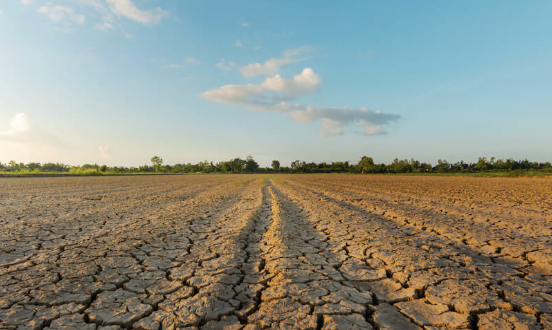
When most people think about climate change, they picture retreating glaciers, stranded polar bears, or devastating wildfires.
Important images, all of them.
But there’s another story that gets far less attention. It’s the story of your rising grocery bill. Your increasing homeowners insurance. The reason your favorite coffee might cost double in ten years.
Climate change isn’t just an environmental issue. It’s the most powerful economic force of our time, and it’s already affecting your wallet in ways you probably haven’t noticed.
Here’s the truth: you don’t have to be an environmental activist to care about climate change. You just have to buy food, pay insurance, or hope to retire someday.
Let’s look at what’s really happening.
Real Explanation: The Economics of a Warming Planet
Economists call climate change a “market failure” – the biggest one in history. Here’s why.
When a company pollutes, they don’t pay the full cost of that pollution. Society pays. You pay. Your children pay.
Those costs show up everywhere.
Food Prices Are Climate Prices
Walk through any grocery store. Almost everything you see depends on stable weather.
The coffee crisis: Coffee plants are notoriously picky. They need specific temperatures, rainfall patterns, and altitudes. As temperatures rise, the land suitable for coffee cultivation is shrinking. A 2022 study found that even under optimistic scenarios, coffee-growing land could decrease by 50% by 2050.
Less land means less coffee. Less coffee means higher prices. Your morning latte isn’t immune to physics.
The olive oil problem: Remember when olive oil prices spiked a few years ago? Blame climate. Olive trees need winter chill to produce fruit. Warmer winters mean fewer olives. Spain, the world’s largest producer, has seen yields plummet during heatwaves.
Wheat and corn volatility: The grain belt across America and Europe is experiencing more frequent “100-year floods” and “500-year droughts.” These events destroy harvests. When harvests fail in major producing regions, global prices spike everywhere.
This isn’t speculation. It’s already happening. The UN’s Food and Agriculture Organization tracks food prices monthly. The trend line is unmistakable: more volatility, higher baseline prices.
Your Insurance Is Going Up for a Reason
Here’s something insurance companies know that you might not: climate risk is exploding.
Insurers make money by predicting risk accurately. They employ armies of actuaries and climate modelers. And those experts are telling insurance companies to raise rates or leave high-risk areas entirely.
What’s happening in California: After years of catastrophic wildfires, major insurers like State Farm and Allstate stopped writing new home insurance policies in the state. They concluded the risk was simply too high.
Florida’s insurance crisis: Hurricanes are getting stronger and wetter. Florida’s property insurance market is in turmoil, with multiple companies going bankrupt and premiums skyrocketing. Some coastal residents now pay more for insurance than for their mortgage.
The bigger picture: Insurance isn’t just about homes. Crop insurance, business interruption insurance, health insurance – all are affected. When insurers pay out more for climate disasters, they raise premiums for everyone.
Supply Chains Are Fragile
Modern economies run on just-in-time supply chains. Products arrive exactly when needed, with minimal warehousing. It’s efficient when things work.
But climate shocks break the chain.
The Rhine River example: In 2018 and 2022, drought lowered water levels in the Rhine River, a crucial European shipping route. Barges couldn’t carry full loads. Factories couldn’t get raw materials. Production slowed. Prices rose.
Panama Canal problems: The canal relies on freshwater lakes to operate its locks. Drought has repeatedly forced restrictions on ship traffic, delaying global trade.
What this means for you: When supply chains break, stores have less inventory. Less inventory means you can’t find what you want. When you do find it, you pay more. It’s that simple.
The Hidden Economic Forces You Haven’t Considered
Beyond the obvious costs, climate change creates subtler economic shifts.
Productivity Declines
Heat makes workers less productive. It’s not just uncomfortable; it’s physiological.
Studies show that in industries with physical labor, output drops significantly when temperatures exceed certain thresholds. Construction slows. Agricultural workers need more breaks. Even office workers show reduced cognitive performance in heatwaves.
Multiply that across millions of workers and thousands of companies, and you’re talking about billions in lost economic output.
Migration Pressures
When people can’t grow food or find water, they move. This isn’t hypothetical – it’s happening now in Central America, sub-Saharan Africa, and South Asia.
Climate migration creates economic pressures in both sending and receiving regions. Sending regions lose their working-age population. Receiving regions face infrastructure strain and housing pressure.
Investment Risk
Here’s something your retirement account cares about: trillions of dollars in assets could become worthless in a warming world.
Think about coastal real estate. If sea levels rise, beachfront property loses value. Think about fossil fuel companies. If the world transitions away from oil, those reserves become “stranded assets” – resources that can’t be burned without breaking climate goals.
Smart investors are already adjusting. Pension funds are divesting from fossil fuels. Insurance companies are reducing coastal exposure. Banks are tightening lending in high-risk areas.
Step-by-Step Fix: Building Financial Resilience in a Changing Climate
You can’t stop climate change alone. But you can protect yourself from its economic impacts.
Step 1: Understand Your Personal Climate Risk
Start with where you live.
- Check flood maps: FEMA and local governments publish flood risk maps. Even if you’re not in a designated flood zone, check historical data. Development changes drainage patterns.
- Research fire risk: In the western US, fire hazard maps show which areas are most vulnerable. Insurance companies use these maps. You should too.
- Consider water: Is your region dependent on a single water source? Is that source reliable long-term? The Colorado River basin, for example, supplies water to 40 million people. It’s under severe stress.
Step 2: Review Your Insurance Coverage
Most people buy insurance and forget about it. That’s a mistake.
- Check your homeowners policy: Does it cover flood damage? Standard policies don’t. Flood insurance is separate through the National Flood Insurance Program or private insurers.
- Understand wildfire coverage: Some policies limit coverage in high-risk areas. Read the fine print.
- Increase deductibles strategically: If you live in a low-risk area, a higher deductible might make sense. If you’re in a high-risk area, you want lower deductibles for climate perils.
Step 3: Diversify Your Investments
Concentration creates risk. Spread it out.
- Geographic diversification: Don’t invest only in local real estate or local companies. If climate stress hits your region, local investments suffer.
- Sector diversification: Some industries will struggle in a warming world. Others will thrive. Renewable energy, water technology, climate adaptation – these sectors may grow.
- Consider green funds: ESG (Environmental, Social, Governance) funds screen for climate risk. They’re not perfect, but they’re better than ignoring the issue entirely.
Step 4: Future-Proof Your Career
Some jobs are more climate-resilient than others.
Growing fields:
- Renewable energy installation and maintenance
- Sustainable agriculture and permaculture design
- Green building and energy efficiency retrofitting
- Climate adaptation planning and engineering
- Water management and conservation
Skills to develop:
- Understanding of environmental regulations
- Data analysis for climate risk assessment
- Cross-cultural communication (for global work)
- Resilience planning and crisis management
Step 5: Reduce Your Personal Exposure
You can’t control the climate, but you can control your dependence on it.
- Home efficiency: Better insulation, efficient appliances, and solar panels reduce your vulnerability to energy price spikes.
- Water conservation: Rain barrels, drought-tolerant landscaping, and efficient fixtures protect you from water price increases.
- Local food: Growing some of your own food or buying from local farmers reduces exposure to global supply chain disruptions.
Step 6: Stay Informed Without Getting Overwhelmed
Climate news is depressing. But ignorance is expensive.
- Follow reputable sources: NOAA, NASA, and the IPCC provide science-based information without hype.
- Check local resources: Your local government likely has climate adaptation plans. Read them. They affect your community.
- Join community efforts: Local resilience groups share information and resources. They also reduce the anxiety of facing this alone.
The Bottom Line
Climate change isn’t a distant problem for future generations. It’s here, and it’s expensive.
But here’s the hopeful part: the same actions that protect the planet often protect your wallet. Energy efficiency saves money. Local food supports community resilience. Diversified investments reduce risk.
You don’t have to choose between being environmentally responsible and financially smart. They’re the same thing.
The question isn’t whether climate change will affect your finances. It already does.
The question is whether you’ll adapt or be caught off guard.
What climate impacts have you noticed in your area? Share in the comments – your experience might help someone else prepare.